







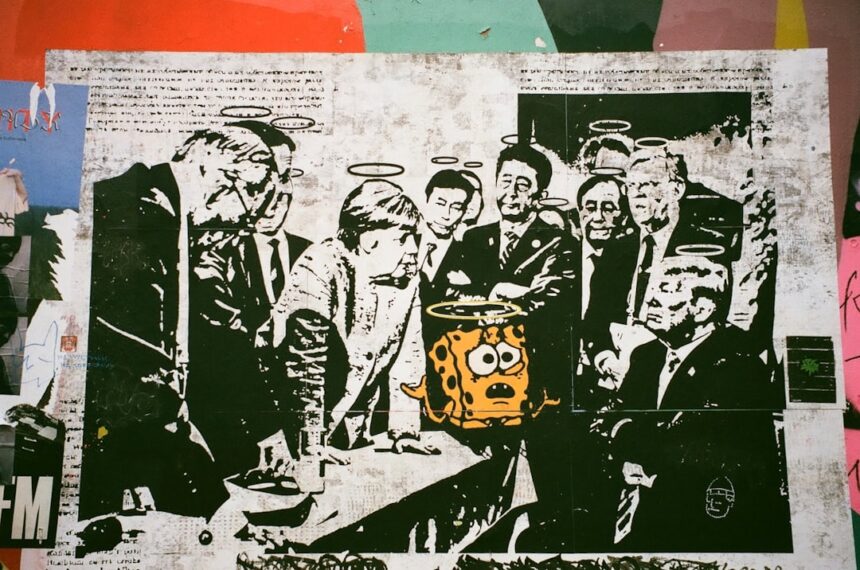
As the old adage goes, “politics is a game of thrones,” where leaders and policymakers engage in a delicate dance of power, influence, and decision-making. But politics is more than just a game – it’s a complex system that affects every aspect of our lives, from the economy and education to healthcare and the environment. In this comprehensive guide, we’ll delve into the world of politics, exploring the key concepts, players, and issues that shape our world. Whether you’re a seasoned politico or just starting to get involved, this playbook is designed to provide you with the knowledge and insights you need to navigate the complex world of politics.
Understanding the Basics of Politics
Before we dive into the nitty-gritty of politics, it’s essential to understand the fundamentals. Politics refers to the process of making decisions for a group of people, whether it’s a local community, a nation, or a global organization. At its core, politics is about the distribution of power, resources, and values. It involves the interaction of various stakeholders, including government officials, politicians, activists, and citizens, who all play a role in shaping the decisions that affect our lives. To get started, it’s crucial to familiarize yourself with the different types of political systems, including democracy, authoritarianism, and hybrid systems. You should also understand the key branches of government, such as the executive, legislative, and judicial, and how they interact with each other.
In addition to understanding the basics, it’s also important to stay informed about current events and issues. This can be achieved by following reputable news sources, engaging with social media, and participating in online forums and discussions. By staying informed, you’ll be better equipped to make informed decisions and participate in the political process. Some key keywords to keep in mind when exploring the basics of politics include civic engagement, voter turnout, and political literacy. These concepts are essential for building a healthy and functioning democracy, and they’re crucial for anyone looking to get involved in politics.
The Players and Stakeholders in Politics
Politics is a multifaceted field that involves a wide range of players and stakeholders. From politicians and government officials to activists and citizens, each group plays a critical role in shaping the decisions that affect our lives. Politicians, for example, are elected representatives who make decisions on our behalf. They can be found at the local, state, or federal level, and they’re responsible for crafting and implementing policies that impact our communities. Government officials, on the other hand, are the bureaucrats who work behind the scenes to implement policies and provide public services. Activists and citizens, meanwhile, are the grassroots organizers who mobilize public support and push for change.
To effectively navigate the world of politics, it’s essential to understand the roles and interests of each player. This can be achieved by building relationships with politicians and government officials, engaging with activists and citizens, and staying informed about the issues that matter most. Some key keywords to keep in mind when exploring the players and stakeholders in politics include political parties, special interest groups, and grassroots movements. These concepts are crucial for understanding the complex web of relationships and interests that shape our political system.
Key Issues and Challenges in Politics
Politics is a complex and ever-evolving field that’s shaped by a wide range of issues and challenges. From economic inequality and climate change to healthcare and education, the issues that dominate the political landscape are diverse and multifaceted. Economic inequality, for example, is a pressing issue that affects millions of people around the world. It’s a problem that’s rooted in the distribution of wealth and resources, and it’s exacerbated by policies that favor the wealthy and powerful. Climate change, meanwhile, is a global challenge that requires immediate attention and action. It’s a problem that’s caused by human activities, such as burning fossil fuels and deforestation, and it has devastating consequences for our planet and our way of life.
To address these issues and challenges, it’s essential to stay informed and engaged. This can be achieved by following reputable news sources, participating in online forums and discussions, and getting involved in local activism and advocacy. Some key keywords to keep in mind when exploring the issues and challenges in politics include sustainability, social justice, and human rights. These concepts are essential for building a more just and equitable society, and they’re crucial for anyone looking to make a positive impact in the world.
Getting Involved in Politics
So, how can you get involved in politics and make a difference? The answer is simple: start by staying informed and engaged. Follow reputable news sources, participate in online forums and discussions, and get involved in local activism and advocacy. You can also volunteer for political campaigns, join political parties or organizations, and attend community events and meetings. By taking these steps, you’ll be better equipped to navigate the complex world of politics and make a positive impact in your community.
In addition to getting involved, it’s also essential to develop key skills and knowledge. This can include learning about policy analysis, public speaking, and community organizing. These skills are crucial for building a successful career in politics, and they’re essential for anyone looking to make a difference in the world. By developing these skills and staying informed, you’ll be well on your way to becoming a savvy and effective political player.
Conclusion and Key Takeaways
In conclusion, politics is a complex and multifaceted field that’s shaped by a wide range of players, issues, and challenges. To navigate this world, it’s essential to stay informed, engaged, and active. By understanding the basics of politics, the players and stakeholders, and the key issues and challenges, you’ll be better equipped to make a positive impact in your community. Remember to develop key skills and knowledge, such as policy analysis, public speaking, and community organizing, and don’t be afraid to get involved and make your voice heard.
Some key takeaways from this playbook include:
- Stay informed and engaged: Follow reputable news sources, participate in online forums and discussions, and get involved in local activism and advocacy.
- Develop key skills and knowledge: Learn about policy analysis, public speaking, and community organizing to build a successful career in politics.
- Get involved and make your voice heard: Volunteer for political campaigns, join political parties or organizations, and attend community events and meetings.
- Understand the basics of politics: Familiarize yourself with the different types of political systems, the key branches of government, and the roles and interests of each player.
- Stay up-to-date on current events and issues: Follow key keywords, such as civic engagement, voter turnout, and political literacy, to stay informed and engaged.
By following these tips and staying committed to your goals, you’ll be well on your way to becoming a savvy and effective political player. Remember to always stay curious, keep learning, and never stop exploring the complex and fascinating world of politics.